August 25, 2025
Alison Coffey
With 2025 hurricane and wildfire seasons underway, we face worrisome forecasts. NOAA has predicted that 2025 will see an above-average Atlantic hurricane season while climatic conditions in the western United States point to the likelihood of an above-average wildfire season as well.
As global warming makes extreme weather events more frequent and severe, and as our grid infrastructure ages, communities are increasingly affected by climate disasters and prolonged electric outages. Low-income communities of color bear the greatest burden—facing disproportionate risks to their health, well-being, and economic stability, and often forced to wait the longest before their electricity is restored.
Compounding these challenges, the Trump administration’s aggressive dismantling of federal agencies will leave states and localities without critical resources for disaster preparation, relief and recovery. In the span of a few short months, cuts to NOAA have reduced meteorologists’ ability to accurately predict extreme weather; cuts to the US Forest Service and related agencies have hampered critical wildfire prevention efforts, and, cuts to FEMA programs and staff have threatened crucial disaster resilience, relief, and recovery capacity.
Alongside the loss of critical federal resources, the administration’s targeted attacks on immigrants and communities of color – including through the expansion of ICE and investigations into programs that may provide aid to individuals without citizenship status—threaten the ability and willingness of many individuals to seek out services during and after disasters, and may slow rebuilding efforts reliant on immigrant workers.
In this context, building climate and energy resilience at the state and local levels is more urgent than ever. Communities are seeking resilience and recovery models that prioritize their needs in equitable ways. In the wake of recent climate disasters, the COVID-19 pandemic, and economic crises, grassroots organizers and movement support organizations have developed and advanced visions for a just recovery—one that centers the needs and leadership of historically marginalized communities in the rebuilding process, while working to remedy longstanding injustice and inequities.
Advancing these calls for equitable resilience and just recovery will require thinking about energy every step of the way. During the first half of 2025, IEJ convened a series of conversations with partners at the Energy Democracy Project engaged in on-the-ground work to meet the energy needs of their communities for disaster resilience and recovery. Drawing from these dialogues, we offer a preliminary map that highlights some key ways and moments to integrate resilient, renewable, community-owned energy into these efforts.
The Need for Resilient, Renewable Energy in Disaster Resilience and Recovery
When the power goes out of an extended period of time - whether due to extreme weather or racialized disinvestment in grid infrastructure - communities face significant threats to their physical, emotional, and economic wellbeing. Households may lose the ability to maintain survivable temperatures in their homes, to refrigerate food and prepare meals, to plug in life-saving medical devices, to charge phones and communicate with emergency services, or to maintain steady income. And for medically vulnerable and other marginalized populations, these challenges can become life threatening.
The status quo of energy and disaster shows that for too many communities, access to safe, reliable sources of energy and back-up power remains out of reach.
The Energy Status Quo During & After Disasters
Inequitable
Power outages and grid repairs are not distributed equally, and marginalized communities are often left behind. BIPOC, low-income, rural and other vulnerable groups are less likely to have the disposable income to stock up on survival supplies before a disaster hits, less able to afford or outfit their homes with resilient energy like solar & battery storage, and often go longer than white and wealthier populations before their power is restored
Polluting
During disasters with extended power outages, communities typically depend on loud, polluting gas and diesel generators to keep their lights, heating, and air-conditioning on. While providing crucial back up power, the use of fossil fuel-powered generators during outages also worsens local air quality and perpetuates the carbon emissions making extreme weather events more frequent and severe.
Health-harming
Power outages contribute to a significant portion of disaster-related morbidity and mortality. Lack of access to heating, cooling, or electricity to power medical devices – along with improper use of portable generators and gas stoves to meet energy needs – pose significant risks to health and life. When the Texas grid went down during Winter Storm Uri, two-thirds of the 238 official deaths resulted from hypothermia, 10 percent from the exacerbation of underlying illness, and 8 percent from carbon monoxide poisoning. Of 91 deaths linked to Hurricane Ida, nearly 19 percent were attributed to power-outage-related causes.
Unreliable
Using gas and diesel generators during extended outages requires ongoing access to fossil fuel supply. Disasters regularly interrupt supply chains, destroy roads and transportation infrastructure, and prompt rushes on resources (e.g., long lines and low supply at gas stations), making access unreliable. Additionally, vulnerable residents (especially low-income, rural, disabled, and elderly individuals) may lack the resources or mobility to secure needed supplies.
Building in Energy Justice
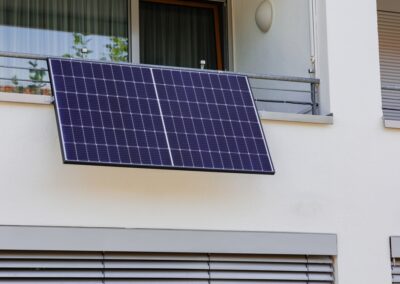
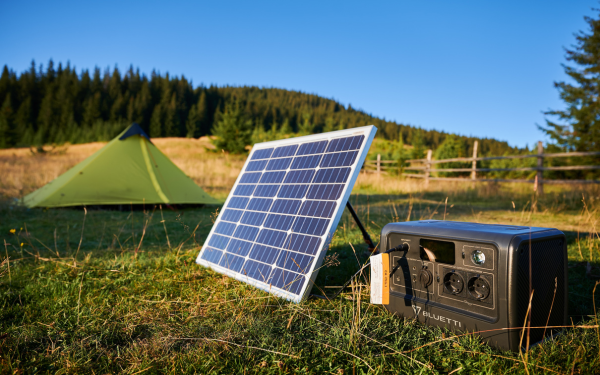
What would an energy justice approach to disaster resilience and recovery look like? Many groups involved in disaster response efforts recognize the importance of distributed renewable energy resources in meeting the needs of local communities – from mobile solar charging stations to resilience hubs outfitted with solar panels and battery storage.
At the same time, more comprehensive planning is needed to provide communities with resilient, renewable energy solutions before, during, and after extreme events. Below we highlight some of the specific pieces of physical and social infrastructure that can serve frontline and disaster-impacted communities during different phases of disaster resilience, relief, and recovery.
| Community Energy Infrastructure for Disaster | ||
 |
 |
 |
|
|
|
Energy is a vital resource and capacity that enables communities to do the work of preparing for, responding to, and recovering from disaster. It powers everything from the physical rebuilding of homes and infrastructure, to the work of community care that keeps neighbors safely housed, fed, and able to contribute to local recovery. At a time when communities are facing heightened climatic and political threats, expanding equitable access to resilient, renewable, affordable, and community-owned energy will be critical for weathering the coming storms.
Federal attacks on renewable energy and the loss of clean energy tax credits under the FY2025 Reconciliation Law mean that states must urgently step in with new policies, incentives, and funds for equitable renewable energy. This moment also demands greater planning, investment, and coordination at the local level between local governments, community organizations, and funders to build energy justice into disaster preparation and response.
Now more than ever, the energy justice movement has a crucial role to play in amplifying a vision for building energy justice into disaster resilience and recovery, and advocating for a set of strategies that expand access to these energy resources to frontline communities.
At IEJ we are developing research and partnerships focused on supporting resilient, renewable energy solutions in frontline communities. Are you working on ways to build energy justice into disaster resilience and recovery? Please get in touch!